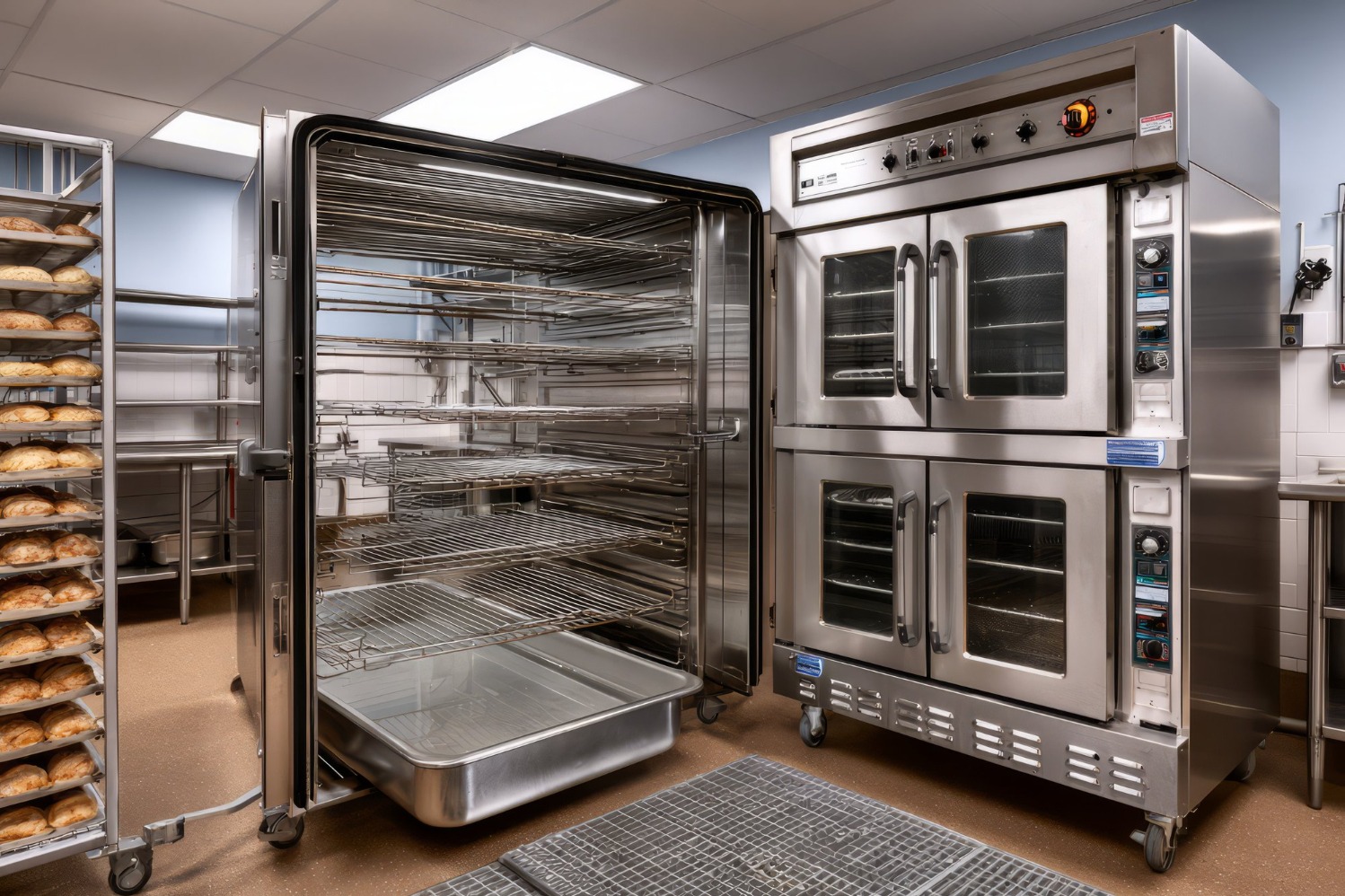
Dough fermentation can become difficult to manage consistently when production grows or surrounding conditions change. Temperature variations, busy schedules, and multiple batches can make manual proofing less predictable. Proofer Cabinets for Dough provide a dedicated environment for this important stage of bread and bun production.
For commercial bakeries in Nagpur, the need for a proofer usually becomes clearer when inconsistent proofing begins affecting production planning.
Sign 1: Proofing Time Varies Too Much
If dough reaches the required stage quickly on some days and slowly on others, surrounding conditions may be influencing the process.
Nagpur's seasonal temperature changes can affect bakery environments. A dedicated proofing setup can give operators greater control over how this production stage is managed.
Sign 2: Production Volume Has Increased
Small bakeries may successfully proof limited batches using simple methods. Once several trays need to be managed simultaneously, space and scheduling become more challenging.
A cabinet can provide an organized area for holding trays during proofing rather than occupying miscellaneous kitchen spaces.
Sign 3: The Oven Regularly Waits for Dough
Production equipment should ideally operate as part of a coordinated workflow.
If an oven is ready but dough repeatedly requires additional proofing time, the proofing stage may be limiting throughput. Conversely, purchasing a larger oven will not solve a bottleneck caused by inadequate dough preparation capacity.
Sign 4: Product Consistency Is Becoming Important
Businesses supplying breads, buns, pav, or similar products commercially often need repeatable output.
Proofing is only one factor affecting the final result, but creating a more controlled process can make production easier to standardize.
What Should Buyers Check?
Capacity should correspond with tray usage and normal batch volume. Buyers should also review cabinet dimensions, controls, rack or tray compatibility, electrical requirements, cleaning access, and available bakery space.
Do not calculate capacity solely around average weekday production. Weekend demand, festive periods, wholesale orders, and expected growth should also be considered.
For bakeries across Nagpur and Maharashtra, investing in a proofer makes the most sense when proofing has become a measurable production constraint.
The equipment should not be purchased simply because it appears on a standard bakery machinery list. It becomes valuable when a bakery needs better organization, increased proofing capacity, or greater control over repeated dough batches.
Identifying those readiness signals helps businesses invest at the right stage of growth rather than adding equipment before it has a clear operational purpose.
Keywords