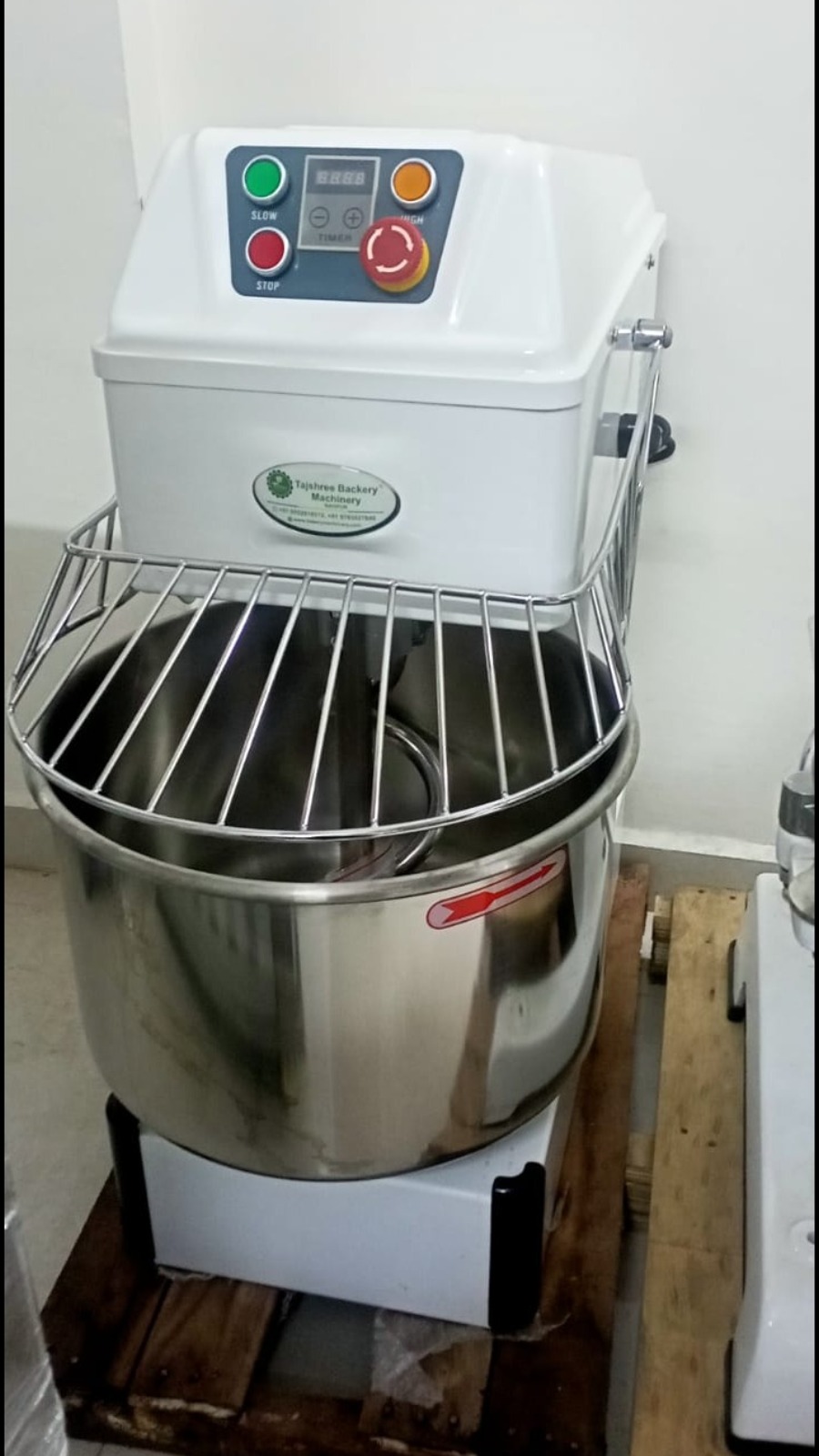
Choosing a commercial mixer becomes confusing when two machines appear capable of handling some of the same ingredients. In practice, Spiral Mixers for Bakeries and planetary mixers are designed around different production priorities, and understanding those differences can prevent an expensive mismatch.
For bakeries in Nagpur, the decision should begin with the products being prepared most frequently.
Spiral Mixers Focus on Dough Production
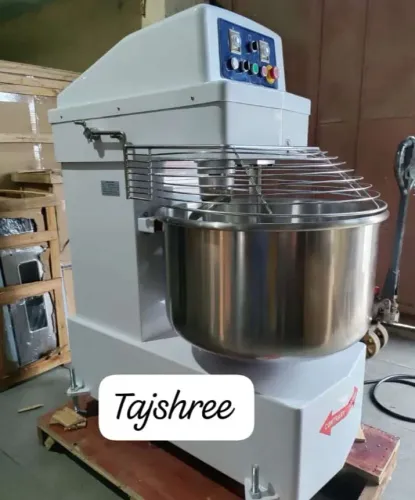
Spiral mixers are commonly considered when bread, buns, pizza bases, pav, and other dough-based products represent a significant part of production.
Their mixing action is designed around dough development and batch preparation. Commercial bakeries processing repeated dough batches may therefore find a spiral configuration better aligned with their core workflow.
Before choosing one, check:
- Intended dough quantity per batch
- Minimum and maximum practical batch sizes
- Bowl capacity
- Available operating space
- Electrical requirements
- Cleaning accessibility
Planetary Mixers Offer Different Versatility
Planetary mixers are widely used for bakery preparations such as batters, creams, icing, whipping, and other mixing applications depending on the machine and attachments.
This can make them useful in cake shops, pastry kitchens, restaurants, and bakeries that need one machine for several preparation tasks.
Which Mixer Should You Buy?
The answer depends primarily on production.
A bread-focused commercial bakery may place greater importance on repeated dough preparation. A cake and pastry unit may need greater versatility for whipping and batter mixing. A multi-product bakery may ultimately benefit from having both because the machines perform different roles.
Trying to make one mixer perform every task can reduce workflow efficiency.
Compare Usable Capacity, Not Just Bowl Size
A common purchasing mistake is assuming that stated bowl capacity equals the quantity of every product that can be processed.
Actual operating capacity depends on ingredients, dough characteristics, recipe, machine specifications, and mixing application. Buyers should therefore discuss the intended recipes and batch sizes before finalizing equipment.
Tajshree Bakery Machinary supplies bakery equipment for businesses evaluating production requirements in Nagpur. For Maharashtra bakery operators, discussing the actual product mix can be more useful than selecting a mixer solely from a capacity figure.
The practical choice is straightforward: prioritize a spiral mixer when dough production dominates the workload, while evaluating a planetary mixer when broader mixing and whipping applications are important. Equipment chosen around the actual menu is more likely to remain useful as production increases.
Keywords