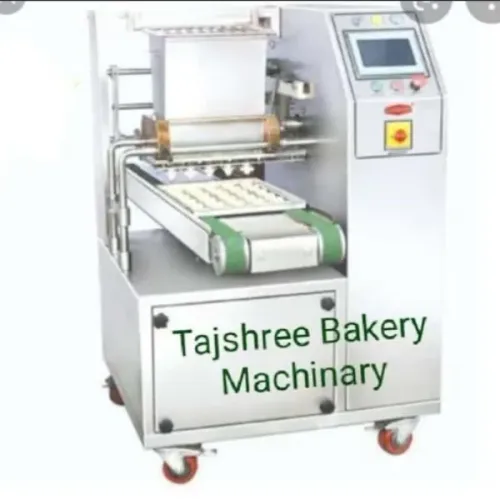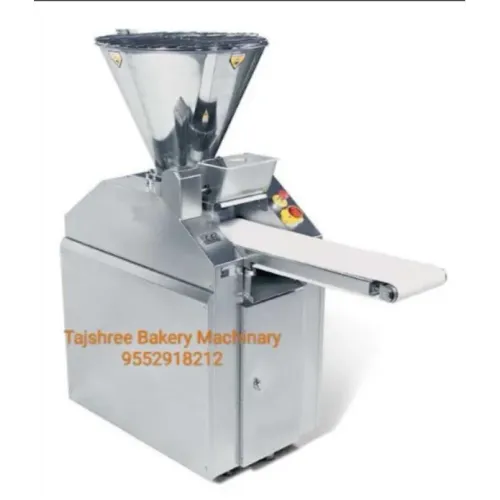
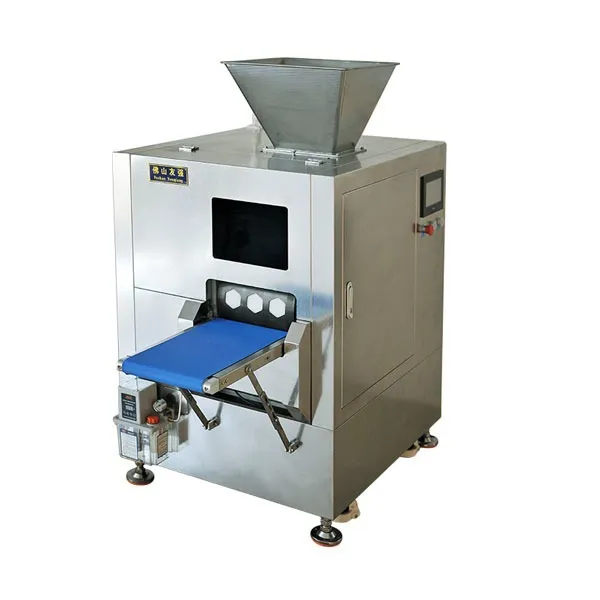
Dividing dough manually can work when production volumes are small. As output increases, however, repeatedly portioning bread, bun, pav, or similar dough becomes labour-intensive and consistency can become harder to maintain. Dough Divider Machines are designed to make this stage of bakery production more controlled and repeatable.
For commercial bakeries in Nagpur, consistent dough portions can influence everything from product appearance to baking uniformity.
Why Portion Accuracy Matters
If individual dough pieces vary significantly in weight, the finished products can also vary in size. Different-sized pieces may proof or bake differently even when they enter the same oven at the same time.
More consistent portions can support:
- Uniform product sizes
- Predictable batch quantities
- Better production planning
- More consistent baking
- Easier packaging
- Improved control over ingredient usage
This becomes increasingly important when supplying products to cafés, retailers, hotels, canteens, or institutional buyers that expect standardized output.
Manual Dividing Has Practical Limits
Experienced bakery workers can divide dough efficiently, but repetitive weighing and cutting takes time. During large production runs, the process can also create a bottleneck between mixing and subsequent dough preparation.
A divider can help structure this stage when daily volume justifies mechanization.
That does not mean every bakery requires one. Small artisan operations producing limited batches may prefer manual processing because flexibility is more important than throughput.
Match the Machine to the Dough
Different bakery products can involve varying dough characteristics and target weights. Before selecting equipment, businesses should understand the intended product range and operating specifications.
The objective should be to choose machinery appropriate for the bakery's normal production rather than purchasing based only on maximum advertised capacity.
Plan Its Position in the Workflow
A dough divider is most useful when integrated properly with surrounding processes. Ideally, dough should move logically from mixing to dividing and then toward rounding, shaping, proofing, or other preparation stages.
Poor equipment placement can reduce the efficiency gained through mechanization.
When Does a Divider Make Sense?
Consider one when manual portioning consistently consumes substantial labour, production volume is growing, standardized product weights are important, or the dividing stage regularly delays downstream processes.
Nagpur's bakery sector serves retail consumers as well as restaurants, caterers, cafés, hotels, and institutional kitchens across Maharashtra. As production scales, consistency becomes increasingly important.
Dough-dividing equipment is therefore best viewed as a production-control tool rather than simply a labour-saving machine. Its value comes from creating a repeatable process that supports predictable batches, standardized portions, and smoother movement through the bakery.
Keywords