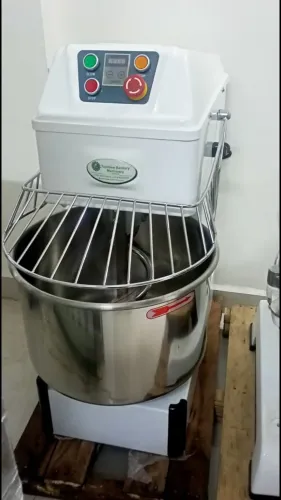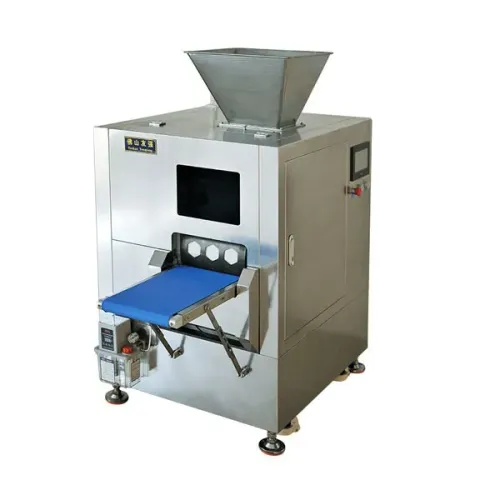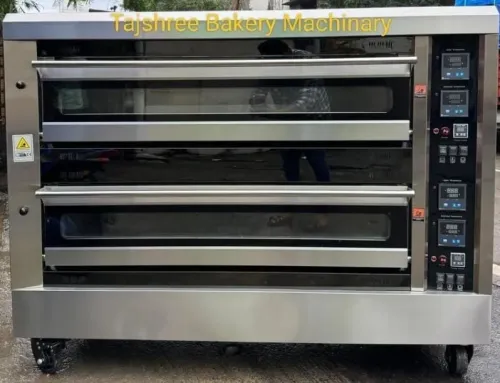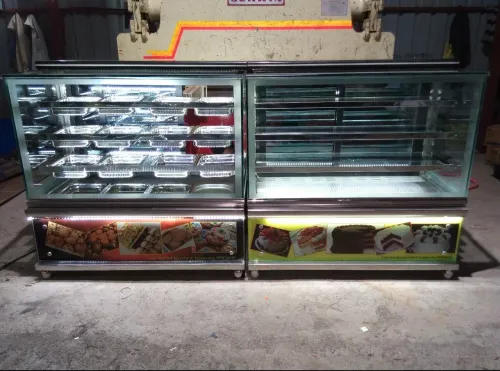
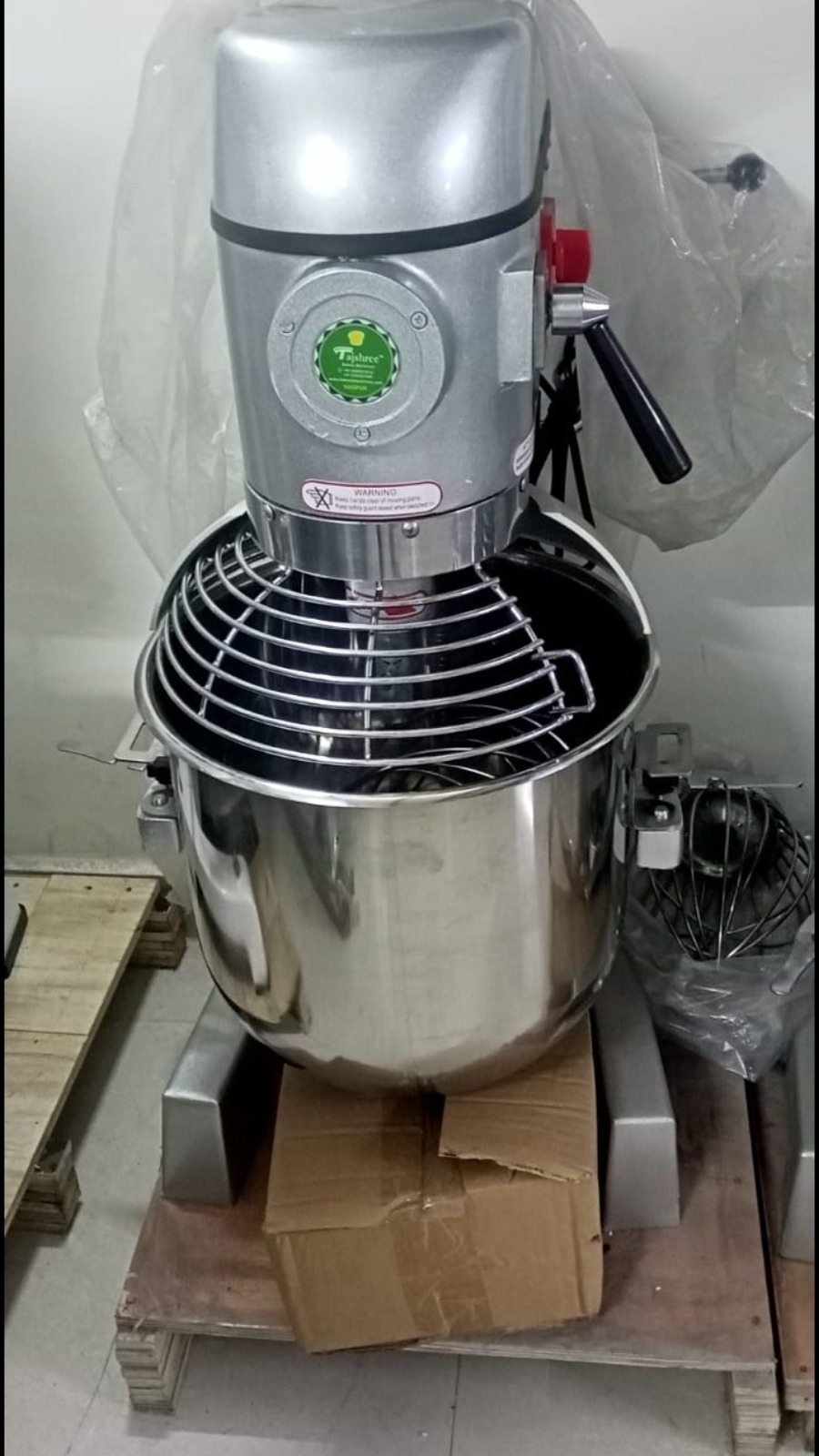
A 20-litre planetary mixer can be a practical choice for cake shops, cafés, restaurants, cloud kitchens, and smaller commercial bakery operations. Yet not all Planetary Mixers 20L are suitable for the same workload. Capacity is only one part of the buying decision.
Businesses in Nagpur should evaluate what they intend to mix, how frequently the machine will operate, and whether its configuration suits everyday production.
Identify the Main Applications
Planetary mixers may be used for several preparations depending on their specifications and compatible attachments.
Typical bakery requirements can include:
- Cake batter preparation
- Whipping cream
- Icing and frosting
- Mixing selected fillings
- Other light or medium bakery preparations
Instead of asking whether a mixer can technically perform a task, consider whether it can perform that task repeatedly at the volume required by the business.
Check Speed Options and Controls
Different preparations require different mixing actions. Whipping cream, for example, does not have the same mixing requirement as preparing a heavier batter.
Understand the available speed settings and how conveniently operators can change or control them during production.
Controls should also be positioned where staff can operate the machine comfortably.
Evaluate Attachments
Attachments significantly affect the versatility of a planetary mixer. Buyers should understand what comes with the machine and which attachments are intended for specific applications.
It is also useful to check how easily attachments can be removed, cleaned, and fitted again.
Consider Counter and Floor Space
Commercial kitchens in Nagpur often need to fit several pieces of equipment into a limited preparation area. Confirm the mixer's actual dimensions rather than estimating space from photographs.
Allow adequate room for loading ingredients, removing the bowl, changing attachments, cleaning, and operating controls.
Think Beyond the Purchase Price
For equipment used frequently, usability can matter as much as acquisition cost. Construction, maintenance requirements, operating stability, access to components, and suitability for daily workload deserve attention.
A slightly cheaper mixer that does not match normal batch requirements may create more inconvenience than value.
Businesses across Maharashtra should also think about future menu expansion. A cake shop that currently produces a limited range may later add pastries, desserts, or higher-volume orders.
A well-selected 20L planetary mixer should fit the kitchen's present workload without creating an immediate capacity constraint. Comparing applications, usable capacity, attachments, speed control, dimensions, and maintenance requirements provides a much clearer buying picture than comparing price alone.
Keywords